Skip to content
Meghan Breen, LCSW
Menu

More Skills, Less Suffering: Better Therapy.

Therapy School: DBT & Somatic Skills for Therapists

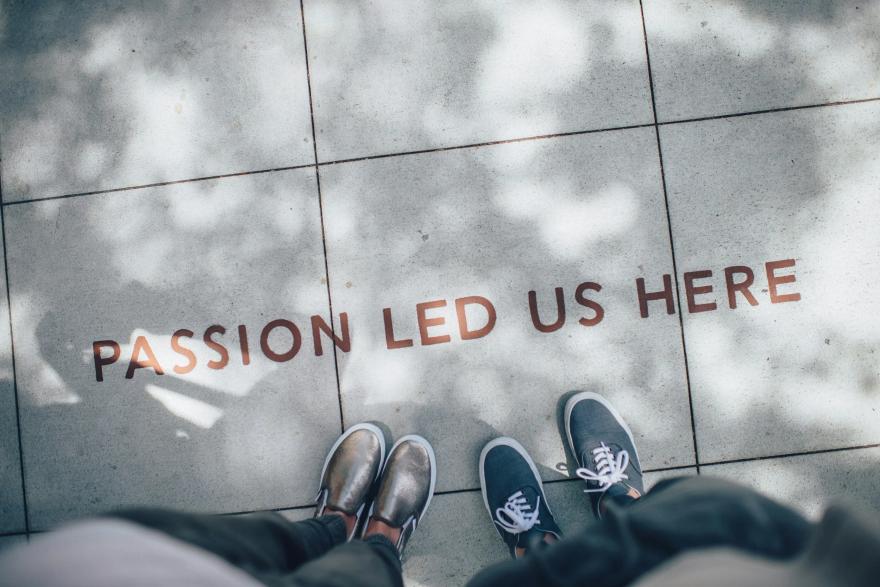
Two pairs of sneakers on a sunlit sidewalk stenciled with the words Passion led us here.

Grad school taught you the why. Real life demands the what and the how.

Most therapists are highly informed but can feel a low sense of confidence when a session gets heavy, high-conflict, or stays stuck. You want to help your clients move forward in meaningful ways but can feel unsure how to effectively do that in practical, actionable, aligned ways.

Therapy School is a human-first, heart-led, therapist-centered integrative training for therapists, taught by a therapist.

It's practical, skills-based, and interactive. It's relational, behavioral, and based in somatic and nervous system science. It's a series of 6 sessions. Each class covers a different topic and includes a PDF workbook of scripts, worksheets, and reflective questions. You will learn a skill on Friday that you can use in sessions on Monday.

What you'll walk away with

  • One integrated map of top-down and bottom-up approaches to the nervous system, self states, and embodiment, and a common, depathologized language for behavioral, emotional, and cognitive stuck points.
  • You'll learn how to incorporate interventions and modalities that are aligned with your personality and style as a therapist, instead of the other way around.
  • You'll leave with scripts, PDFs, and clinical language for the sessions that get stuck and the relational aspects that need more skills or support.
  • Confidence comes from reps, not certificates. We practice in a nonjudgmental space, inside a deeply relational container, with a small cohort of therapists so the work feels personal and specific to your practice.
  • Human-first approach. Every skill is practiced in your own body first. Bottom-up tools land differently once you've felt them work.
  • Embodied, compassionate interventions: teach skills like distress tolerance without bypassing pain, avoiding the hard stuff, or invalidating learned shame.

This is a live learning space, not a passive course library. Come as a therapist. Come as a human. Come ready to practice.

What we cover

  • Session 1: Wise Mind, the Self, and the Stance of the Modern Therapist.
  • Session 2: Relational Therapy, Interpersonal Effectiveness & Repair.
  • Session 3: The Nervous System and Somatic Skills.
  • Session 4: Cognitive Skills: From Fusion to Flexibility.
  • Session 5: Relief-Seeking Behaviors and Harm Reduction.
  • Session 6: An Integrative Approach to Healing: Validate, Tolerate, Integrate.

The Details

  • Two Cohorts: Wednesdays starting January 6, 2027, for clinicians 5+ years post-grad. Fridays starting January 8, 2027, for clinicians under 5 years post-grad. Both meet every other week, 12:00 to 1:15 PM EST.
  • The Format: Six live sessions on Zoom, 75 minutes each, every other week for three months.
  • The Goods: The live Therapy School integrative training, clinician support, a library of PDFs and scripts, and the full on-demand course when it releases in January 2027.

Inside a session

Every session runs the same arc, because predictability is regulating. We open with a somatic grounding or mindfulness exercise. Then a didactic training, each session building on the last. We practice skills and apply them to cases, then discuss actual stuck moments and how to troubleshoot them. We leave with 2 to 3 new skills or interventions to try in session. And we close with a self-compassion or somatic grounding exercise to honor our time together.

Why learn this from Meghan

Meghan Breen, LCSW, is a psychotherapist, supervisor, trainer, and mental health educator who brings a practical and deeply human approach to therapy. Before private practice, she spent years in NYC nonprofits working with individuals and families. She teaches the way she practices: modern, embodied, relational, and direct.

Curious how she thinks about the work? Read her guide for therapists and supervisors.

She specializes in eating disorders, addictions, trauma, and mood disorders, with 3 years of post-graduate relational therapy training at the Ackerman Institute. She blends cognitive and somatic approaches, with intensive training in Dialectical Behavior Therapy (DBT), Somatic Experiencing (SE), and Acceptance and Commitment Therapy (ACT).

years in practice
15
clinicians trained and supervised
130+

From past cohorts

“I looked forward to Therapy School every week, learned more in 6 sessions than I did in my post-grad training program all year.”
Amy, LPC
“Meghan has a way of making you feel comfortable, competent & seen, while also challenging you to be better. I looked forward to every session.”
Emily, LMSW
“Having practical skills explained and taught in ways I could immediately incorporate in my next sessions was game changing for me.”
Brett, LMFT

This is for you if

  • You're collecting trainings but still feel stuck.
  • You know pieces of DBT, IFS, or somatic work but want to be able to use them together with confidence.
  • You want skills you can use next Tuesday, not theory for someday.
  • You're tired of doing this work alone and want a therapist community that gets it.
  • You believe the therapist's own nervous system is part of the treatment and want to learn skills to support yourself while you support others.

The investment

Three months of live practice, a workbook of skills, worksheets, and scripts to use with clients and build your skillset. Small group to keep the learning and the growth personal. Integrative, because the world is changing and we need to, too.

A seat in a January 2027 cohort is $599.

Pay in full or in three monthly payments of $199.67.

Your seat also includes the full on-demand course, releasing January 2027.

And a membership community for therapists is on the way.

Not sure it's your fit?

Every seat starts with a free 15-minute call with Meghan to get a sense of your practice, your style, and your cohort fit. Bring your questions!

Apply, list a few times that work for you, and you'll hear back within two business days.

Apply for Therapy School

Therapy School FAQs

Do I get CE credit for this?

Not yet. Therapy School does not carry CE credit today. We are working toward it. Stay tuned.

Is this therapy? Is it supervision?

Neither. Therapy School is a human-first, heart-led, therapist-centered integrative training for therapists. It's practical, skills-based, and interactive. It's relational, behavioral, and based in somatic and nervous system science. There are aspects of supervision, but this isn't clinical supervision.

Is there a refund or a guarantee?

Tuition is non-refundable. Enrolling is a commitment to the full 6-session series. That is why we talk first, to make sure it's a fit.

What's the format?

Six live virtual sessions, 75 minutes each, biweekly over three months. Cohorts stay small to keep the work and the practice personal. This is a lab, not a lecture. You'll practice skills live, talk through the stuck moments from your actual caseload, and leave every session with something to use that week. You also get a library of PDFs and scripts to support the lessons and the integration into actual practice with clients.

What if I've never done DBT (or IFS, or somatic work)?

Great, come on in. There are no prerequisites and no assumed background. Every skill gets taught in a relational way, core knowledge included. You'll experience it, practice it, and then learn to use and teach it. And if you have trained in some of these modalities, we find more practical ways to apply certain skills and blend somatic and cognitive approaches.

Who is Therapy School for?

Therapists and coaches: social workers, counselors, psychologists, in private practice, community mental health, schools, and working remotely or in person. You don't need a specific clinical orientation or background. We dabble in several. Ideally you have clients to practice and apply the teachings with. We run two cohorts: more seasoned clinicians on Wednesdays (5+ years post-grad) and newer clinicians on Fridays (under 5 years post-grad).

How much time does this take outside of sessions?

That's up to you! I give a lot of supportive materials for learning outside our sessions, including worksheets, videos, and guided practices to use with clients and to practice yourself. Between sessions you'll have one small practice. We need reps in real life to really experience how skills can be supportive and how they work in action. I won't be checking homework, but we do talk about it.

I'm not in North Carolina. Can I still join?

Yes. Sessions are live and virtual, so you can join from anywhere. Past cohorts have included therapists from across the US, UK, and Canada.

What if I miss a session?

Live sessions are recorded, but only the didactic parts. That is deliberate. I want people to feel comfortable with the practice and case examples, and not on camera, because we have enough videos popping off.

Your seat includes the full on-demand course, so the material from any session you miss is yours to work through whenever you want.

Come as you are, and come when you can.

What do we actually cover?

Relational and behavioral skills from DBT, RO-DBT, IFS, Somatic Experiencing, and ACT. There is a lot of experiential learning through guided exercises and workshopping how to practically use different modalities together. We cover a lot, and every cohort is a little different and personal.

Supervision & Training

More ways to work with Meghan after Therapy School.

Group Supervision

Skills Lab: group supervision and consultation for therapists after Therapy School. Case discussions, skill-building, integrative modalities, and a support network.

Details

Skills Lab is our group supervision for therapists who have completed Therapy School: a 6-month integrative consultation group of 6 therapists who bring their own cases and keep putting the Therapy School approach into practice.

Are you a therapist seeking to incorporate practical coping skills and techniques into your therapy sessions, build a strong foundation for your private practice, and connect with a supportive community of fellow therapists?

Skills Lab is designed to support the integration of the Therapy School approach and to keep developing new skills and strategies to enhance your practice, with a strong support network of peers. Join us for case discussions and consultation, skill-building exercises and training, and peer support and mentorship.

Eating Disorder Consultation

In-person and virtual options.

Details

Meghan has a non-traditional approach to working with eating disorders and is often asked to consult on hard-to-treat cases. Her relational, skills-based harm reduction approach pulls from ACT, DBT, and MED-DBT to work with people in a collaborative, relational, and directive way that builds agency and buy-in, instead of rigid treatment approaches that can reinforce the eating disorder's behaviors and strict rules.

Individual Supervision & Coaching

Trauma-informed, skills-forward LCSW supervision and consultation for new and seasoned therapists.

Details

Meghan offers trauma-informed, LGBTQI affirming LCSW supervision and consultation to new and seasoned therapists. Specialization in addiction and recovery, relational couples therapy, sex and sexuality, binge eating disorders, and integrative somatic and behavioral approaches.

Relief-Seeking Behaviors and Behavioral Addiction

Sometimes the relief is so relieving that the change is stuck and feels impossible. Learn core principles of harm reduction, plus practical, actionable tools and skills from ACT and DBT.

Details

Learn core principles.

More Skills, Less Suffering: Better Therapy.